WOLFGUNEXPEDITIONS
Experiences

The Great Migration

Close to two million animals, one endless circle.
The Great Migration

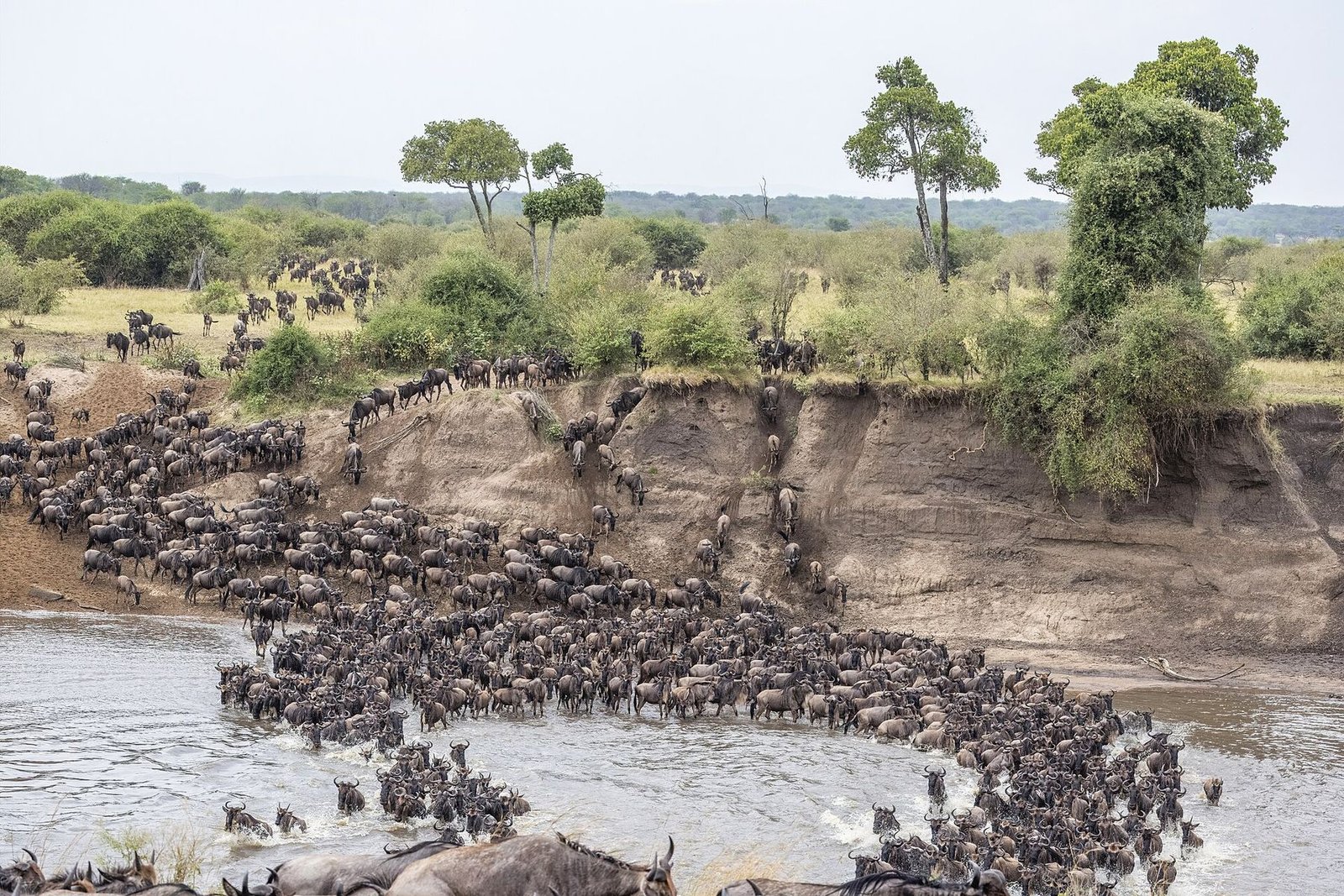
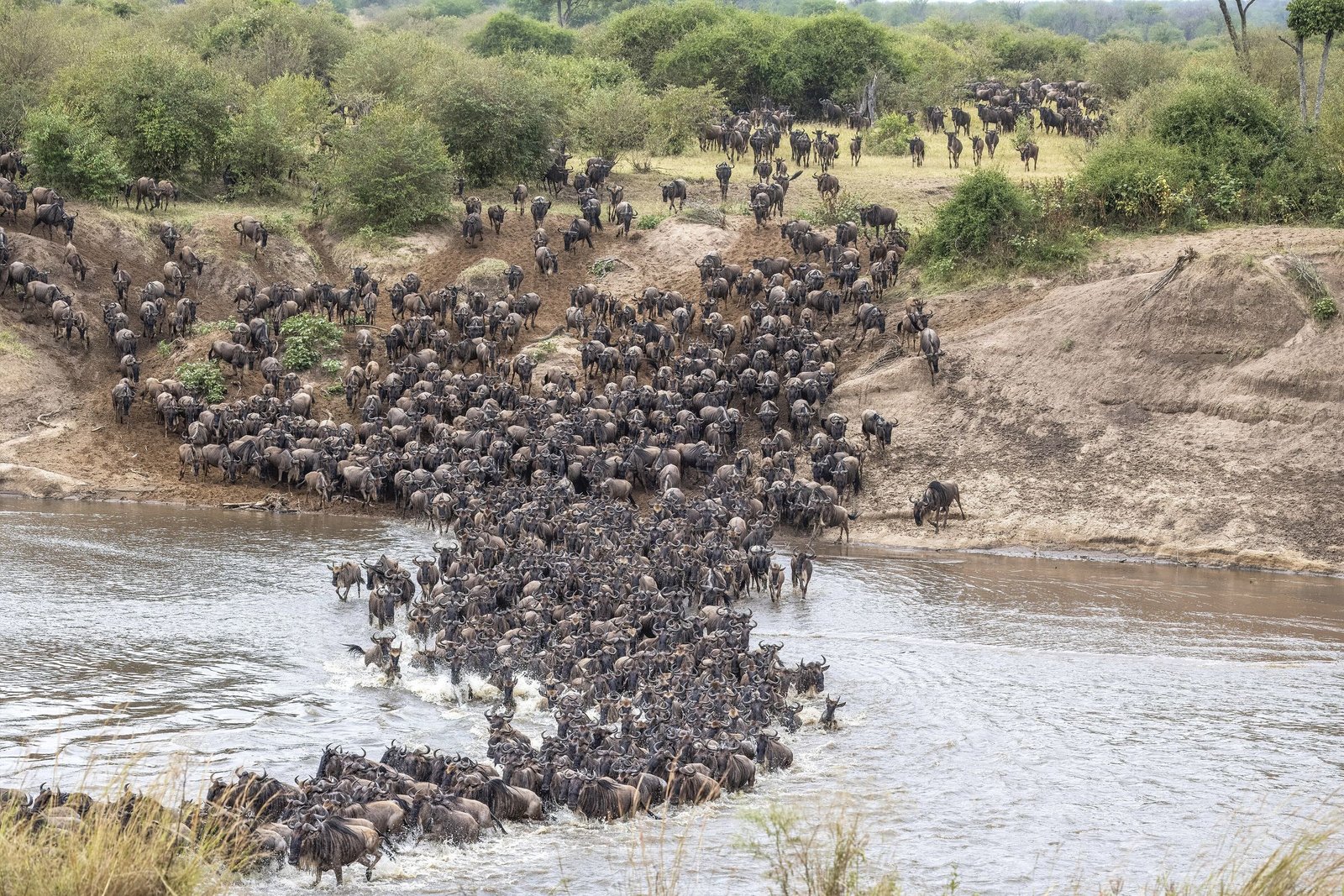
The Great Migration is the year-round movement of roughly 1.5 million wildebeest, with zebra and gazelle, around the Serengeti–Mara ecosystem in search of fresh grass. There is no single “migration season”: the herds are always somewhere, and the right camp in the right month puts you in the middle of them.

Calving or river crossings: which should you choose?

From late January to March, the herds give birth on the southern plains around Ndutu. Predator action is at its most intense, the landscape is green and off-road driving is allowed in the Ndutu area. From July to October, the herds cross the Mara River in the far north: dramatic, unpredictable and best with three or more nights nearby. Photographers often choose calving; first-timers often choose crossings. Both are extraordinary.

How we plan a migration safari

We track the herds through our guides’ sighting reports and adjust camp choices each season. Fly-in safaris save long drives and let you reach the right sector quickly; mobile camps relocate during the year to stay close to the action. A private vehicle means you can wait at a crossing point for hours — which is often what it takes.

The migration, month by month

KENYATANZANIAMASAI MARAL. VICTORIANdutuSeroneraGrumetiKogatendeLoboNGORONGORO

Where the herds are

January

Southern Serengeti & Ndutu

The herds settle on the short-grass plains

After the short rains, the wildebeest spread across the mineral-rich plains of the southern Serengeti and the Ndutu area of the Ngorongoro Conservation Area. Calving begins towards the end of the month, and the predators gather.

ViewingCalving season
Where to stay
Seasonal camps around Ndutu and Kusini
Guide’s note
Book early — the best Ndutu camps fill up to a year ahead for late January and February.

Calving season River crossings Viewing

Safaris for this experience

  • 5-Day Great Migration Fly-in5 days · 4 nightsNº 02
    • Fly-in
    • Photography

    5-Day Great Migration Fly-in

    Arusha → Kogatende → Serengeti

    Fly straight to wherever the herds are this month, with three nights in a seasonal camp beside the action and a private guide who reads the migration’s rhythm.

    from · per personUS$3,450

    View journey
  • 8-Day Photographic Safari: Ndutu Calving Season8 days · 7 nightsNº 08
    • Photography
    • Fly-in

    8-Day Photographic Safari: Ndutu Calving Season

    Arusha → Ndutu → Ngorongoro

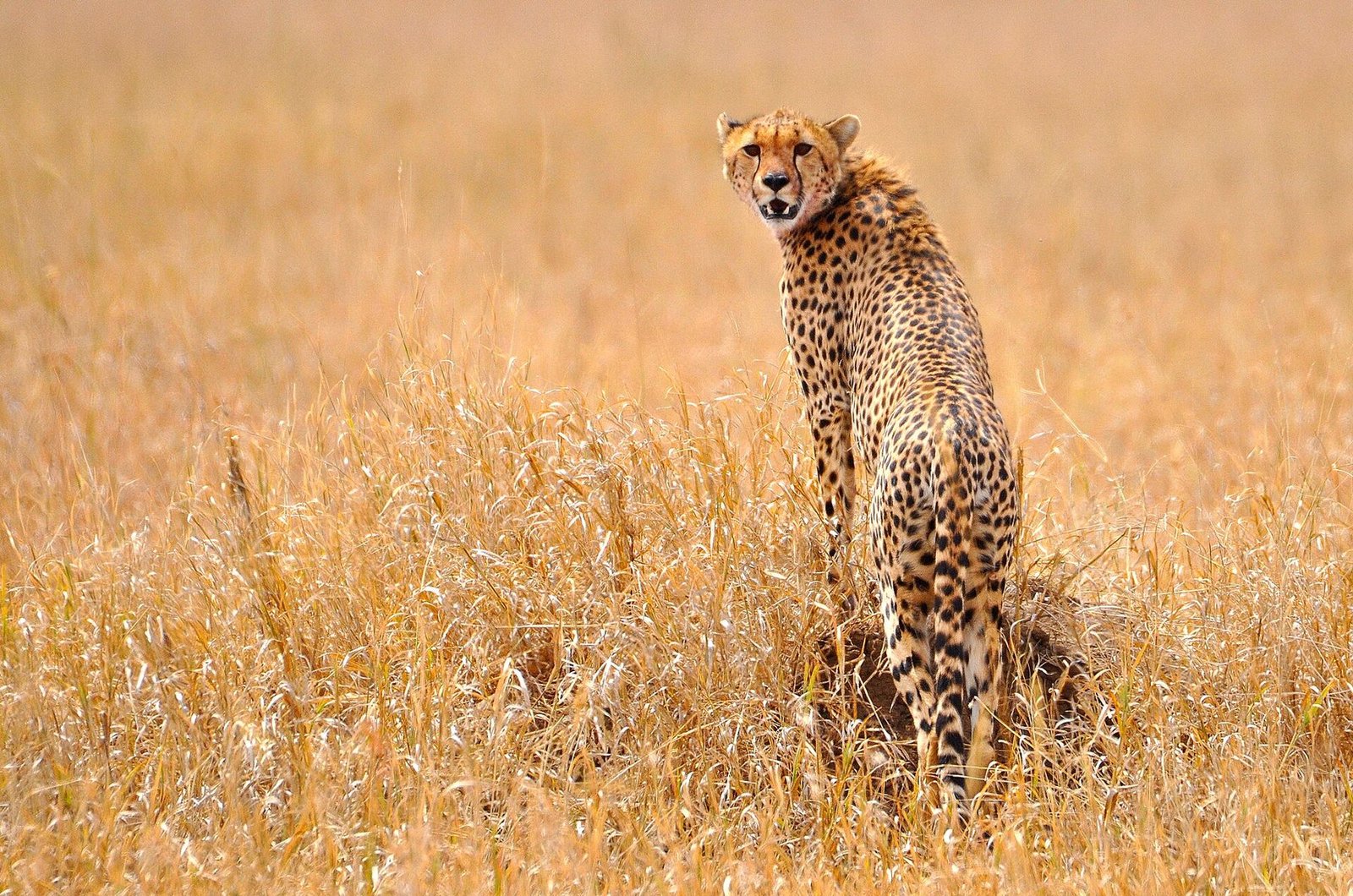
    Five full days in the Ndutu calving grounds, where off-road driving is allowed, in a private photographic vehicle with beanbags, open sides and a guide who reads light as well as wildlife.

    from · per personUS$8,600

    View journey
  • 7-Day Northern Circuit, Signature Style7 days · 6 nightsNº 03
    • Luxury

    7-Day Northern Circuit, Signature Style

    Arusha → Tarangire → Manyara → Ngorongoro → Serengeti

    The northern circuit at its finest: four ecosystems in seven days, an iconic crater-rim lodge, a remote big-cat camp in the Serengeti and a flight home to spare you the long drive back.

    from · per personUS$6,950

    View journey

Questions, answered

When is the best time to see the Great Migration?

Late January to March for calving in the southern Serengeti, and July to October for Mara River crossings in the north. June is good for Grumeti crossings in the Western Corridor. Herds are present somewhere in the ecosystem all year.

Is the migration in Kenya or Tanzania?

Both, but mostly Tanzania. The herds spend around nine months of the year in the Serengeti and typically enter Kenya’s Masai Mara from about August to October.

Your expedition begins with a conversation.

Tell us when you would like to travel and what moves you. A safari designer in Arusha will reply personally within 24 hours — with ideas, not a brochure.

Arusha — Our team is online

Plan my safari